Modern electric vacuum grippers, or gripsters
A suction cup holds a smooth pane. A powered gripster holds almost everything else.
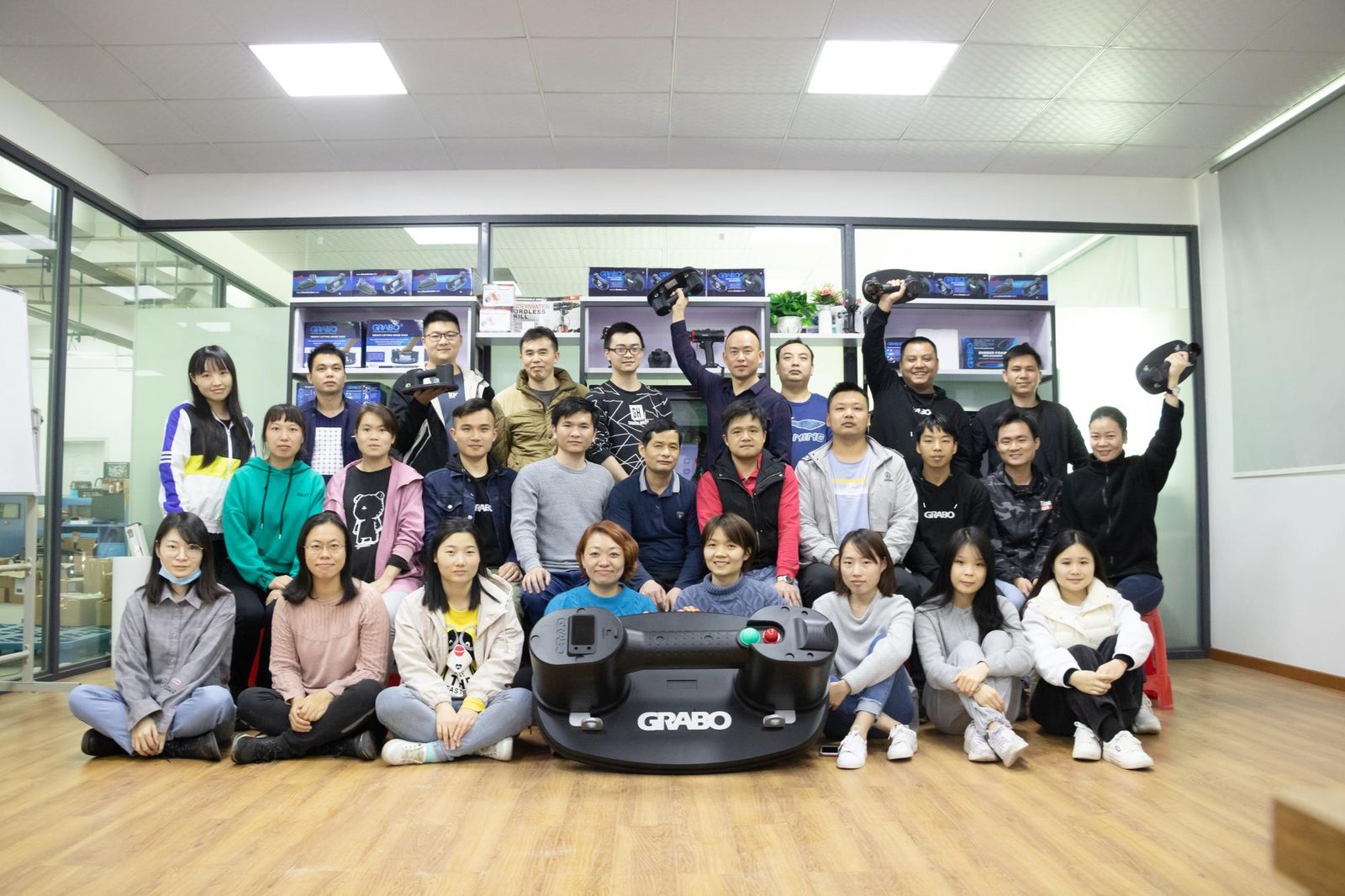
What a gripster actually does
A vacuum gripper, commonly called a gripster, does not suck an object towards it. It removes the air between its pad and the surface, and the atmosphere does the rest: roughly 10 tonnes per square metre of ambient pressure pushes the two together. The tool only has to hold the low-pressure pocket. See atmospheric pressure, altitude and vacuum tools for what that means at height.
Why the manual suction cup stalled
Vacuum gripping started as fixed industrial plant: pumps, suction plates, cranes and robot arms moving glass, sheet metal, stone and packaging. Hand suction cups made it portable, but they were pumped once and then lost vacuum steadily, so they were restricted to smooth, effectively airtight surfaces. On a porous paver, a textured porcelain tile or a sheet of OSB, the seal bleeds and the cup lets go.
What powered gripping changed
A powered gripster runs its pump continuously and replaces the air leaking through and around the material. That single change moved vacuum handling off glass and onto the materials a construction site is actually built from: tile, natural and engineered stone, concrete, timber, drywall and metal. It is the same principle the VACDRILL uses to hold itself to a wall, described under vacuum anchoring.
Where GRABO came from
Development of GRABO began in 2015, the technology was patented in 2018 and the first commercial tools reached the market in early 2019. It was invented by mechanical engineer Nimo Rotem, who combined a battery-powered vacuum pump, a flexible sealing system and a portable handle into one cordless tool. His granted patents across vacuum gripping and power tools are listed on his inventor profile on InventorBook.
That combination turned vacuum lifting from specialist industrial equipment into a handheld product, and it created the portable electric gripster category as it exists today. Later generations added digital pressure monitoring, automatic pump control, remote operation and much higher airflow for very porous material.
Adoption outside GRABO
The platform has been taken up beyond its own brand, including a version sold by DeWalt, and the GRABO Pro-Lifter was selected for the Popular Mechanics 2025 Tool Awards. The relevant point for anchoring is not the awards but the field record: the sealing and pump behaviour has been proven across a wide range of imperfect surfaces before it was ever asked to hold a hammer drill.
From holding a panel to holding a machine
Carrying a panel and anchoring a drill are different problems. A lifted panel loads the seal steadily; a rotary hammer attacks it with cyclic reaction load, torque and vibration at the same time. Solving that is what separates a gripster from a drilling platform, and it is the subject of the self-holding, self-driving drilling patent. Background on the lineage is in a short history of vacuum lifting.
Questions about this
What is a gripster?
A gripster is a vacuum gripper: a tool that lowers the air pressure between its pad and a surface so atmospheric pressure presses the two together. A powered gripster keeps pumping while it works, so it holds on materials that leak air.
How is a gripster different from a suction cup?
A manual suction cup is pumped once and then starts losing vacuum. A powered gripster runs a battery pump continuously, replacing the air that leaks through porous or textured material, so it can hold tile, stone, concrete, drywall and rough timber.
Who invented the portable electric vacuum gripper?
GRABO was invented by mechanical engineer Nimo Rotem. Development began in 2015, the technology was patented in 2018 and the first commercial tools shipped in early 2019.