Transport and storage
Most damage happens in the van, not on the wall.
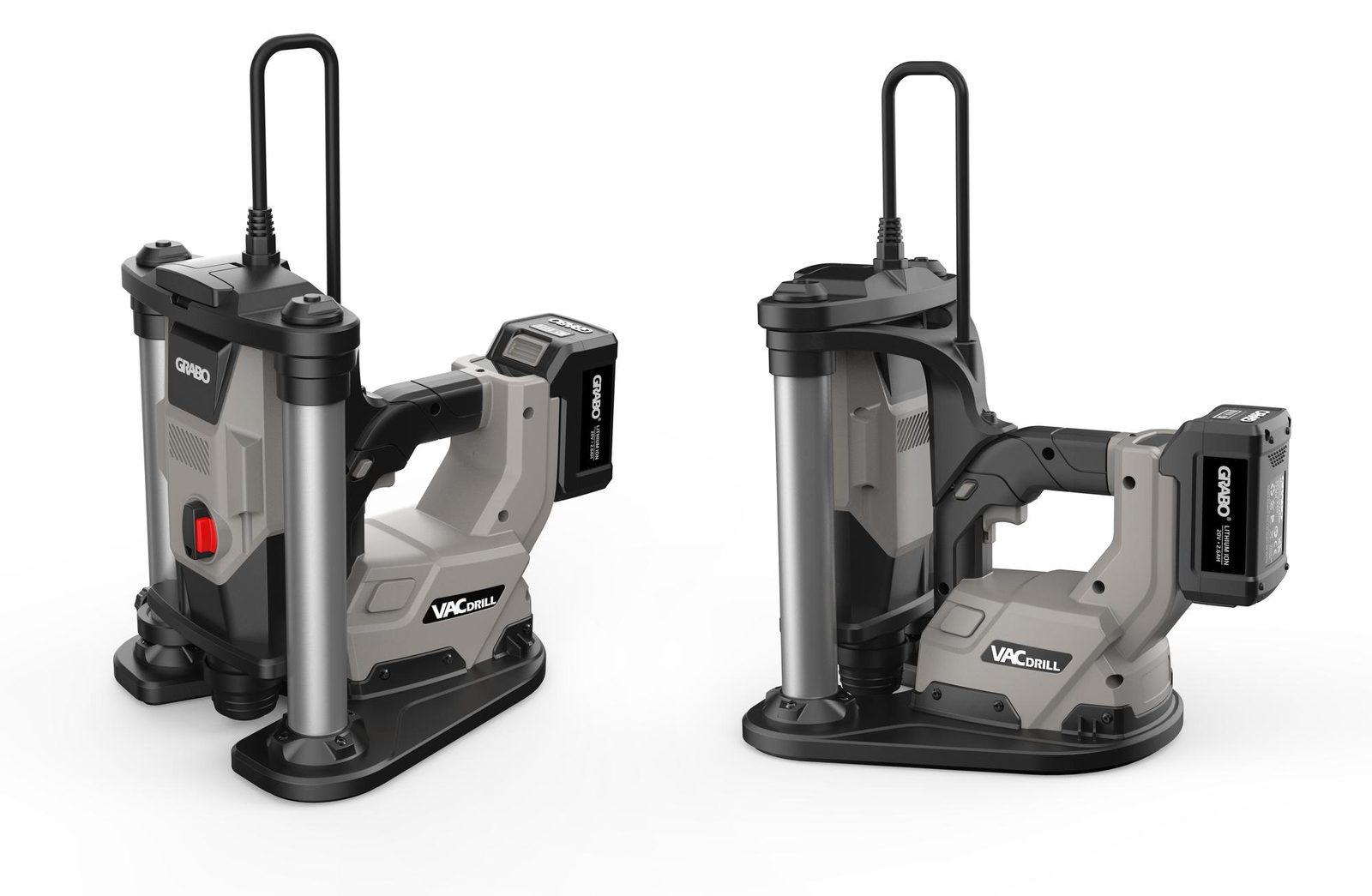
Protect the pad
Store so the pad is not compressed against grit or a hard edge. Embedded grit and permanent deformation both cost holding force.
Temperature
Avoid leaving the tool in direct sun or in a freezing vehicle overnight where possible. Heat ages rubber; cold stiffens it and hurts the first attachment of the day.
Batteries in transit
Follow the manufacturer's and carrier's requirements for lithium-ion transport. Protect terminals.
Arriving on site
Let a cold tool acclimatise briefly before relying on the first attachment.
Questions about this
How should the tool be stored?
So the sealing pad is not compressed against grit or a hard edge. Most pad damage happens in transit rather than in use.
Does leaving it in the van matter?
Heat ages rubber and cold stiffens it. Neither is immediately fatal, but both shorten pad life and the first attachment of a cold morning will be the worst of the day.