How to choose a drilling system
Four questions decide it.
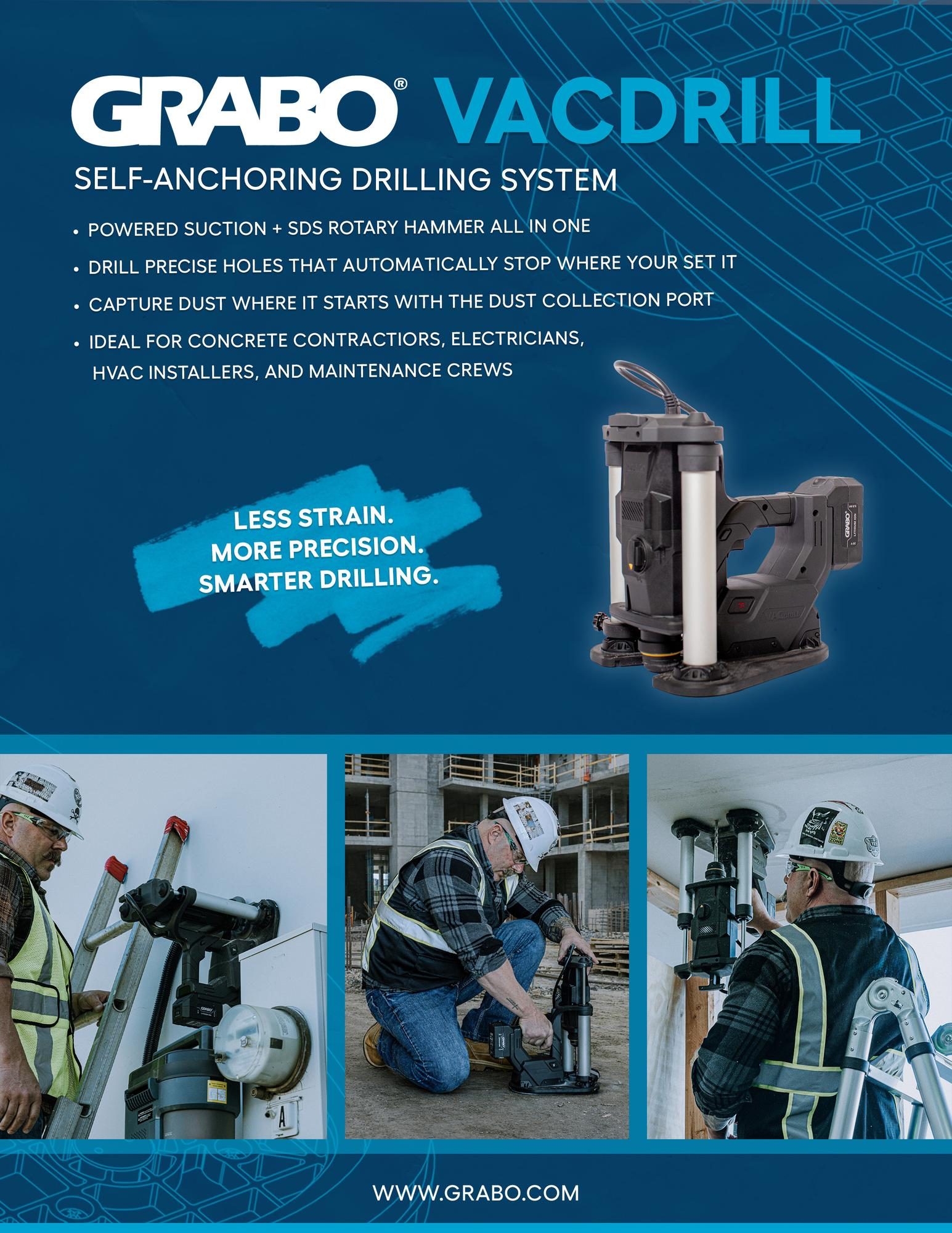
1. What is the substrate?
Ferrous structural steel points to a magnetic base. Concrete, masonry, stone, tile, glass and composites point to vacuum anchoring — or to a handheld tool if the surface will not seal.
2. How many holes, and how consistent must they be?
One-offs favour handheld. Repetitive patterns at a specified embedment favour a machine-guided, depth-controlled system.
3. In what position?
Overhead, sustained-reach and confined work shift the balance strongly toward a self-supporting tool.
4. What are your dust obligations?
Occupied buildings, silica-generating substrates and enclosed spaces make capture-at-source a requirement rather than a preference.
Then check the constraints
Diameter and depth limits (40 mm and 145 mm here), battery platform, and whether your surfaces will actually seal. See the comparisons.
Questions about this
What is the first question to ask?
What the substrate is. Ferrous structural steel points to a magnetic base; concrete, masonry, stone, tile and composites point to vacuum anchoring — or to a handheld tool if the surface will not seal.
When is a self-anchoring drill the wrong choice?
Occasional single holes in easy positions, and any surface too porous or too irregular to seal.