Dust extractor classes and filters
The wrong extractor recirculates exactly the fraction that harms you.
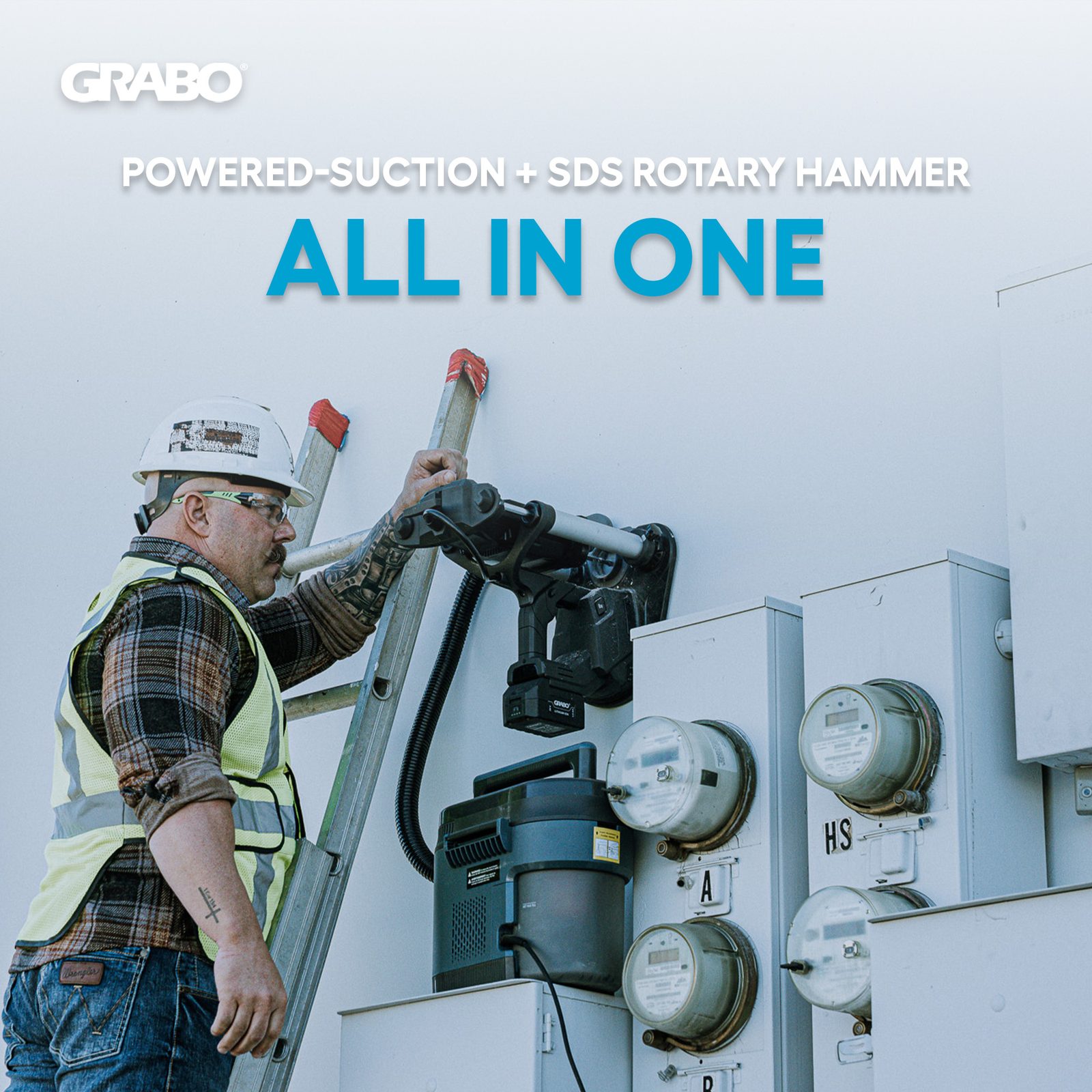
The classes
European dust classes L, M and H describe maximum permitted filter penetration, with H the most stringent. M class is the common construction requirement for silica-generating work; H class is used for the most hazardous dusts.
Other regions use different but broadly analogous schemes.
Why a shop vacuum fails
General-purpose vacuums are designed to collect visible debris. The respirable fraction — the part small enough to reach the deep lung — passes through the filter and is blown back into the room, often in a fine plume you cannot see.
Maintaining performance
Filter cleaning or automatic shaking matters: a loaded filter loses airflow, and airflow is the capture mechanism.
Empty before containers are full and handle collected dust as hazardous waste.
Related
See extraction setup.
Questions about this
What class do I need for concrete drilling?
M class is the common construction requirement for silica-generating work in Europe, with H class for the most hazardous dusts. Check the rules and classification scheme in your jurisdiction.
Why is a shop vacuum not acceptable?
It is designed to collect visible debris. The respirable fraction — the part that reaches deep lung tissue — passes through the filter and is returned to the room.