SDS, SDS-plus and SDS-max explained
Three names, two of which are sizes.
What SDS is
SDS is a slotted shank system in which the bit is retained by locking balls but remains free to slide axially so it can be struck. No chuck, no tightening, no slipping.
The sizes
- SDS-plus — 10 mm shank, the dominant standard for light and mid-range rotary hammers and the vast majority of anchor-hole drilling.
- SDS-max — 18 mm shank, for heavy demolition hammers and large diameters.
- SDS-top — an intermediate size, uncommon.
Matching the tool
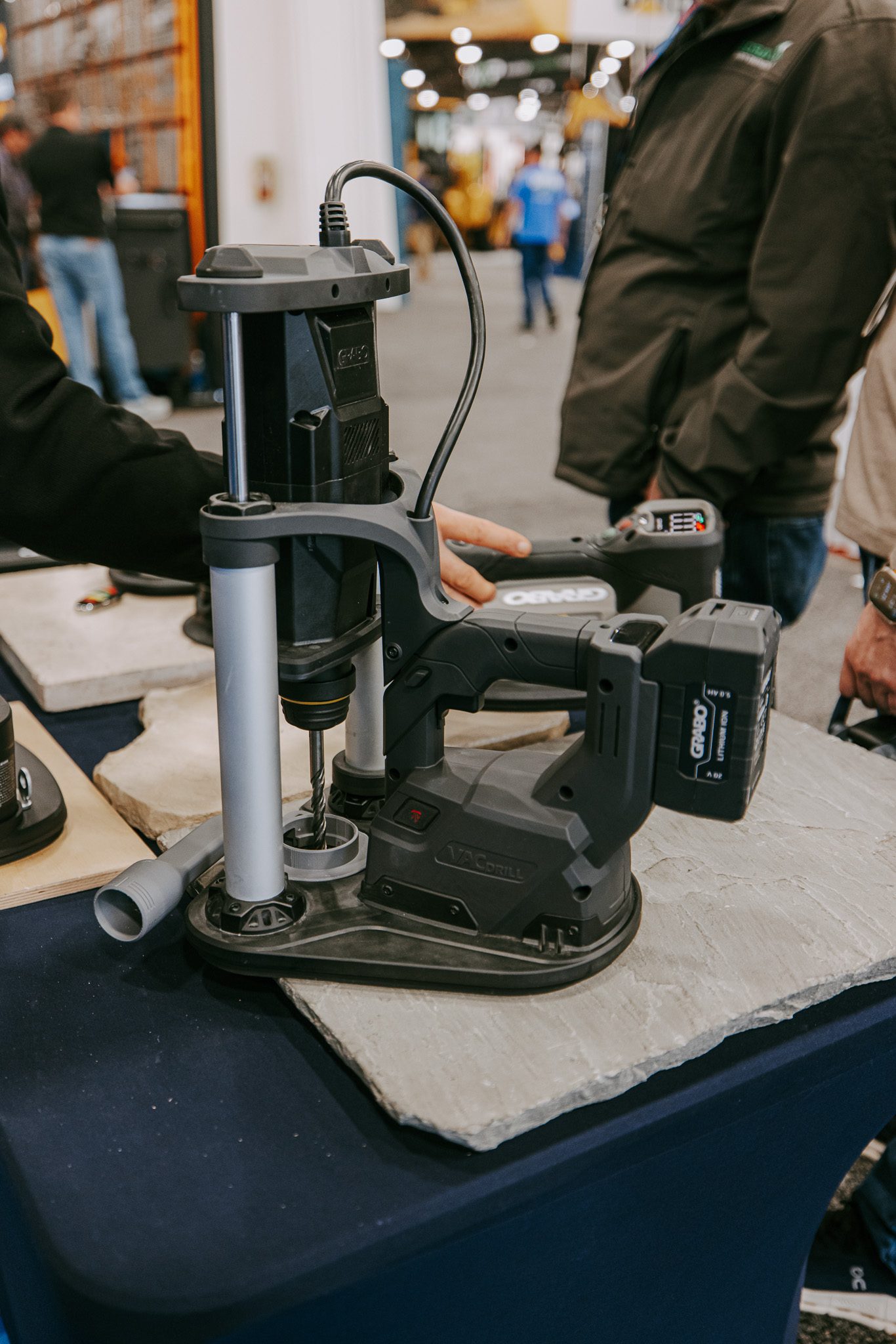
The VACDRILL is specified for SDS bits up to 40 mm diameter and 200 mm length. Confirm the exact shank standard for your machine and market before buying tooling.
Care
Keep shanks clean and lightly greased per the manufacturer's instructions; a dry, dirty shank wears the tool holder.
Questions about this
What is the difference between SDS-plus and SDS-max?
Shank size. SDS-plus uses a 10 mm shank and covers most anchor-hole drilling; SDS-max uses an 18 mm shank for heavy demolition and large diameters.
Can I mix SDS types?
No. The shanks are different sizes and are not interchangeable. Confirm which standard your tool takes before buying tooling.