Attachment failure modes
Understand how it lets go, and you will rarely be surprised by it.
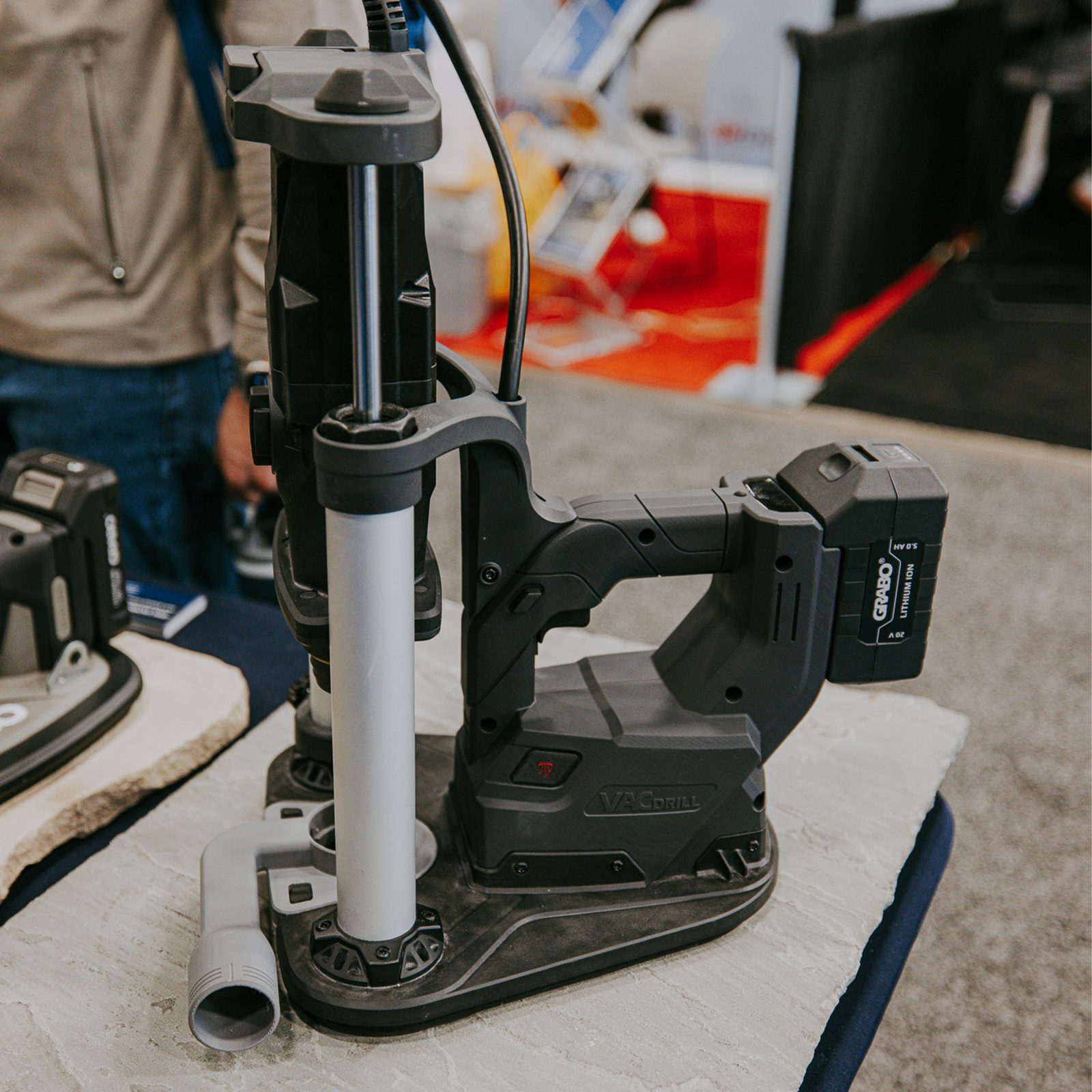
Failure is usually gradual
Vacuum attachment tends to degrade rather than snap. A leak path opens, the pump works harder, the grip softens, and the tool begins to creep. Sudden release is normally the end of that sequence, not the start.
The practical consequence: the warning signs are available if you are paying attention.
Signs to stop
- The pump running harder or more often than it did when you attached.
- Any perceptible movement, rocking or creep at the base.
- A change in sound or feel when the hammer is running.
Working so that failure is not an incident
- Never position yourself under the tool on overhead work.
- Re-check attachment after repositioning and periodically during long holes.
- Prepare the surface properly — see surface preparation.
- Do not use the machine as a handhold or a step. It is anchored for its own loads, not yours.
Questions about this
Does a vacuum attachment fail suddenly?
Usually not. It normally degrades: a leak opens, the pump works harder, grip softens and the tool creeps. Sudden release is typically the end of that sequence, which means warning signs are available.
What is the single clearest warning sign?
The pump running harder or more often than it did when you first attached. It is telling you air is getting in faster than it was.