Choosing drill bits
The anchor specifies the bit. Everything else is secondary.
Start from the anchor
Anchor capacity is qualified for a specific hole diameter. Read the anchor data sheet and use that diameter — not the nearest bit in the case.
Stay inside the machine's limits
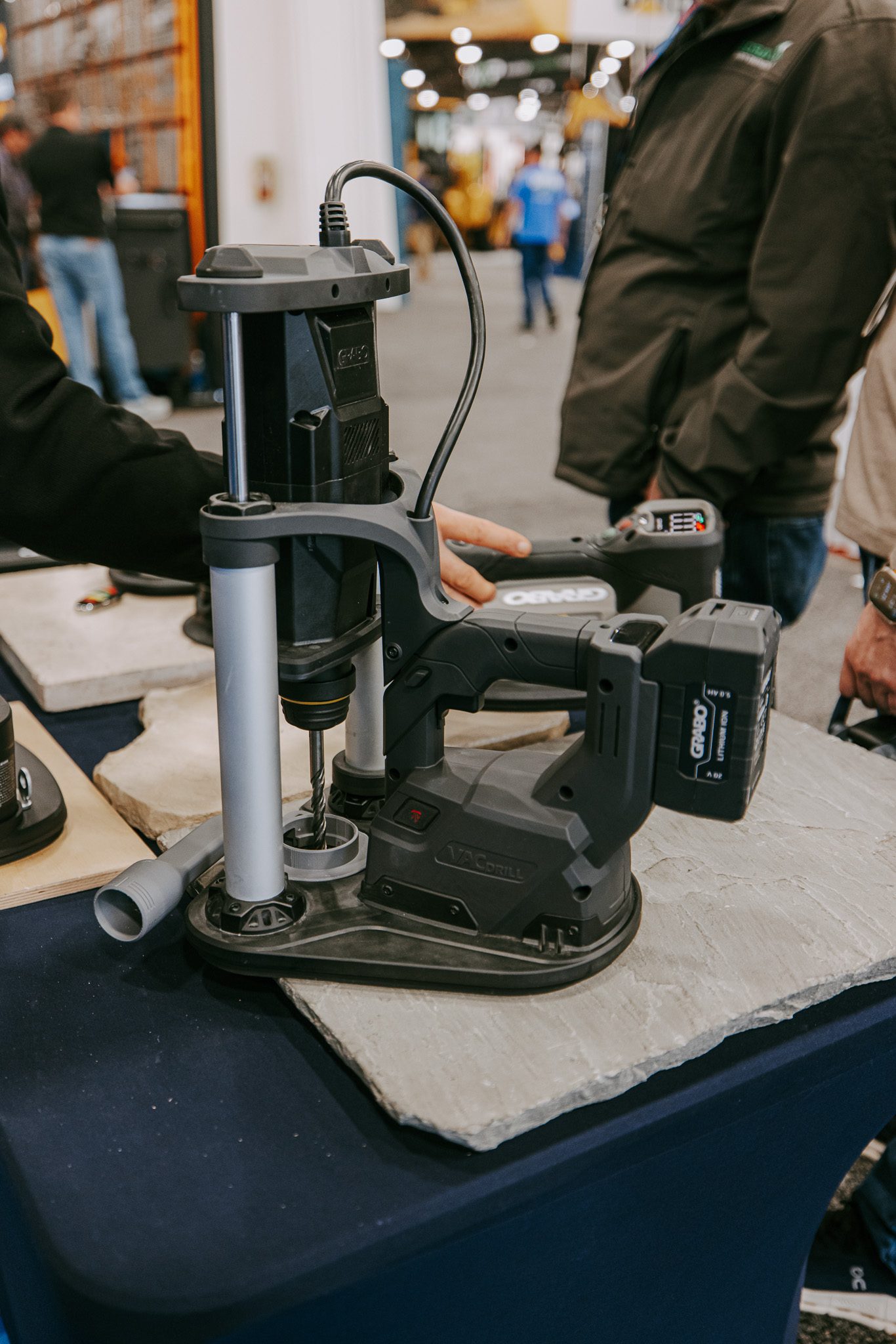
The VACDRILL accepts SDS bits up to 40 mm in diameter and 200 mm in length, drilling to 145 mm. A bit longer than needed is less rigid and harder to keep true.
Match tooling to material
- Carbide-tipped SDS with hammer action: concrete, brick, dense block, masonry.
- Diamond tooling, no hammer: tile, porcelain, engineered stone, glass, dense natural stone.
- Twist or annular cutters, no hammer: steel and other metals.
- Sharp standard bits, no hammer: composites and panels.
When to replace
Slow progress, excessive heat, fine powder instead of chips, or a bit that needs force are all signs of worn carbide. Worn bits produce oversized holes and more dust.
Questions about this
What bit diameter should I use?
Whatever the anchor's approval specifies. Anchor capacity is qualified for a particular hole diameter, so this is not an area for substitution.
How do I know when a bit is worn out?
Slow progress, excessive heat, fine powder instead of chips, and needing to force it. Worn carbide produces oversized holes and more dust for less result.