Troubleshooting a weak attachment
Work through it in order — the answer is usually in the first two steps.
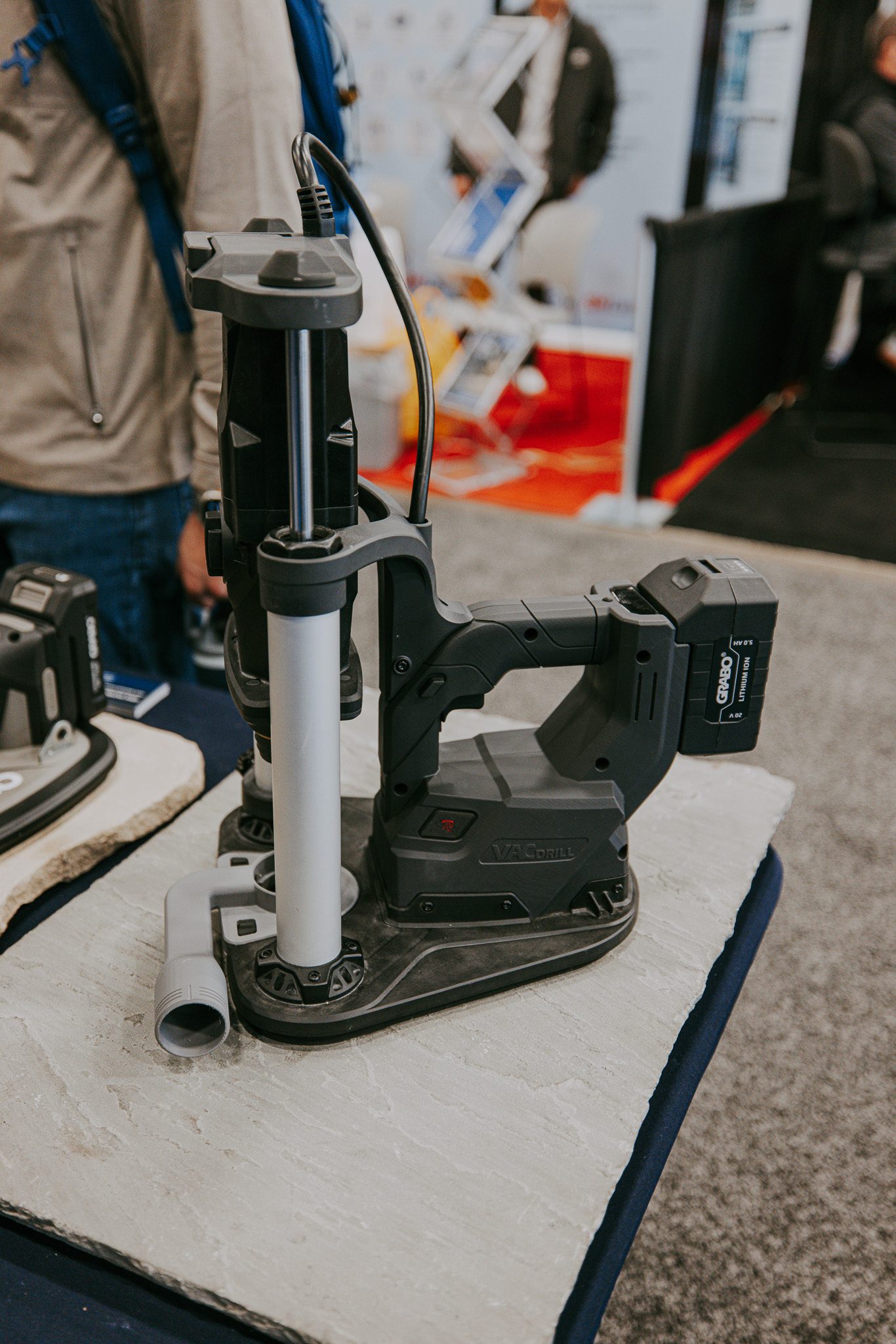
1. Clean everything again
Pad and surface. This resolves the clear majority of cases.
2. Question the surface
Is it actually non-porous? Is it flat across the whole pad footprint? Is it crossing a joint, edge or change of plane? See flatness and steps.
3. Inspect the pad
Cuts, embedded grit, hardening or deformation. A damaged pad cannot conform.
4. Listen to the pump
Continuous cycling means air is getting in. Steady and quiet means it has sealed.
If the pump sounds weak everywhere, suspect the vacuum path or a loading filter.
5. Check the battery
A low pack affects the pump as well as the hammer.
6. Accept the answer
Some surfaces cannot be attached to. Recognising that quickly is a skill, not a failure — see attachment failure modes.
Questions about this
The pump runs constantly — what does that mean?
Air is getting in faster than the pump can remove it. Either the surface is porous, or there is a leak path from dust, texture, a joint or a damaged pad.
When should I accept a surface is unusable?
When it has been properly cleaned, the pad is sound, and the pump still will not settle. Some surfaces simply cannot be sealed, and recognising that quickly is a skill.