Overhead work and musculoskeletal injury
The shoulder is not designed to hold a hammer drill above your head all day.
The mechanism
Working with hands above shoulder height loads the rotator cuff statically and reduces blood flow to the tendons. Add tool weight, feed force and vibration and the exposure compounds quickly.
The productivity link
Fatigue degrades accuracy long before it becomes injury. Hole quality across a long overhead run typically declines through the shift — which is a quality problem as well as a health one.
Controls
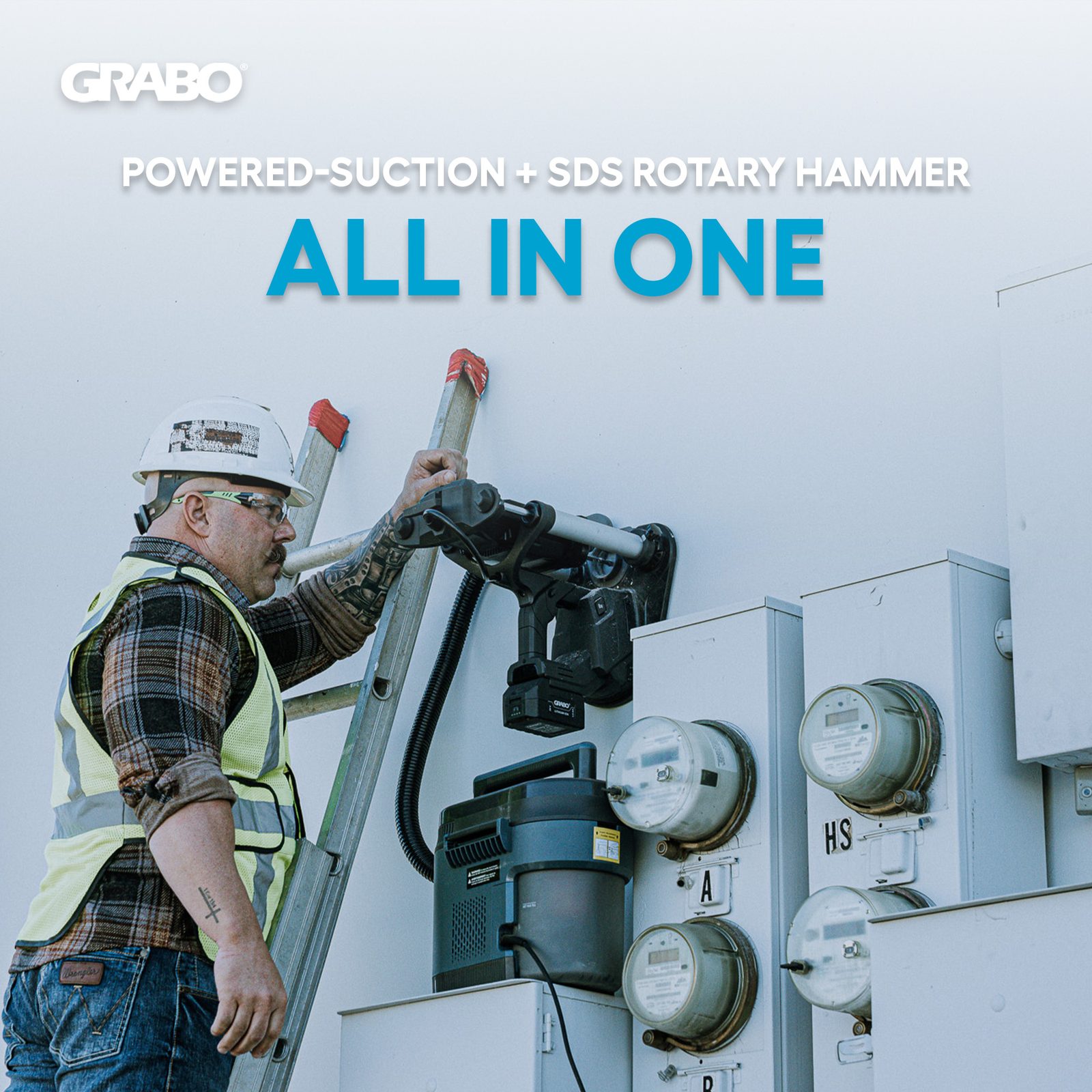
Reduce duration and repetition, provide proper access so the work is at a better height, and use tools that support their own weight and supply their own feed.
Related
See overhead drilling and overhead setup.
Questions about this
Why is overhead work so hard on the shoulder?
Working above shoulder height loads the rotator cuff statically and reduces blood flow to the tendons. Adding tool weight, feed force and vibration compounds it quickly.
What is the most effective control?
Reducing duration and repetition, and providing access that brings the work to a better height. Tools that support their own weight help, but they do not replace good access.