Vacuum attachment vs mechanical clamping
You cannot clamp to the middle of a wall.
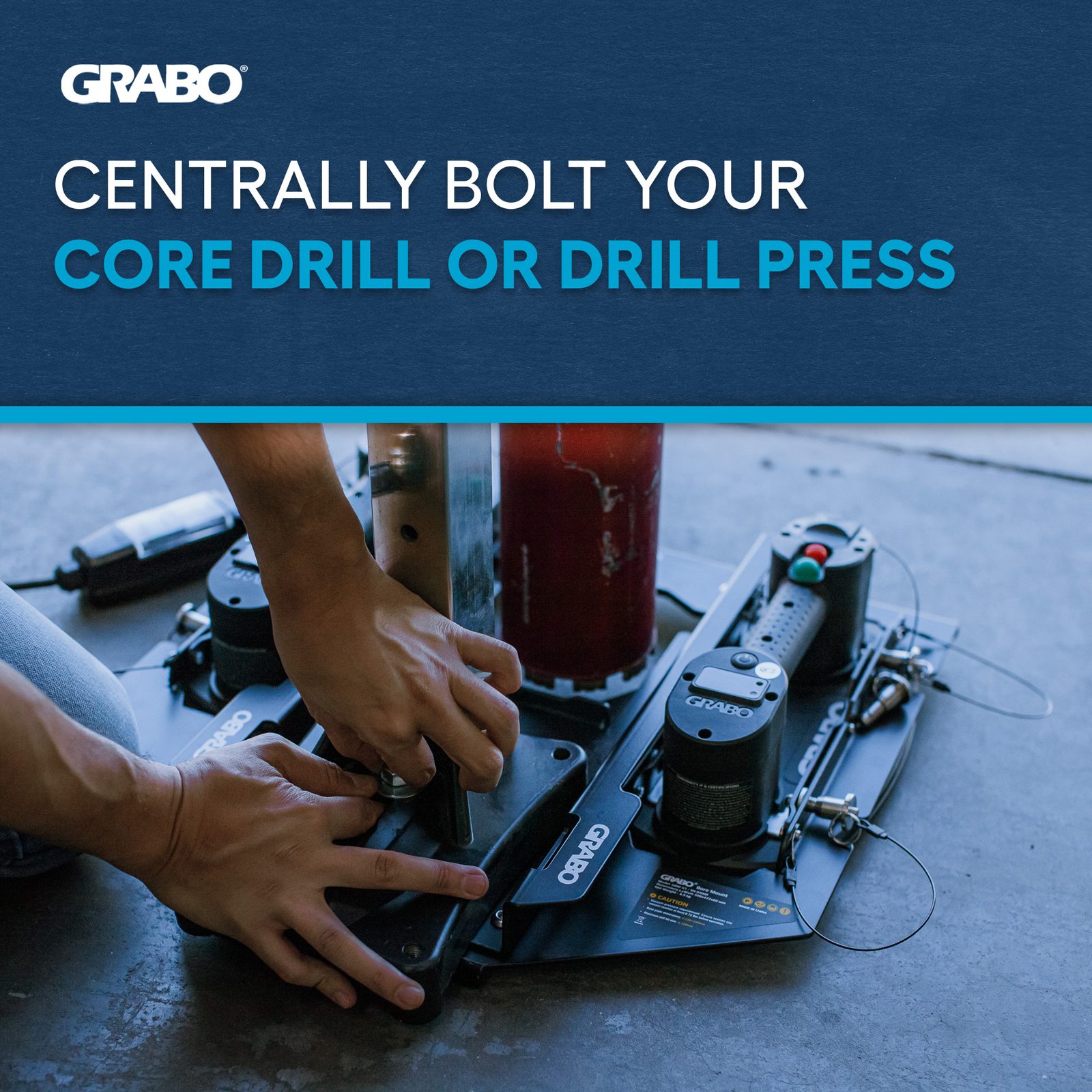
Mechanical clamping
Strong, positive and largely independent of surface finish — but it needs an accessible edge or a hole to bolt to, and it concentrates load at the clamp points.
Vacuum attachment
Works in the middle of a large surface with no edge access, distributes load over the pad area, and leaves no mark or hole behind.
In exchange it demands a sealable surface.
Marking and damage
On finished, polished or protected surfaces, the fact that vacuum leaves nothing behind is often the deciding factor — see heritage work.
Honest limitation
Where the surface cannot seal, mechanical clamping is not merely preferable — it is the only option.
Questions about this
When is clamping the only option?
When the surface cannot seal — porous block, rough render, friable stone — or where geometry gives the pad no continuous boundary to close.
Does vacuum attachment mark the surface?
It should not, which is a large part of its appeal on finished and protected surfaces. Trapped grit under the pad can mark a polished finish, so cleanliness protects the work as well as the grip.