Hand-arm vibration and power tools
The damage is permanent, and the exposure is measurable.
What it is
Prolonged exposure to vibrating tools damages nerves, blood vessels and joints in the hand and arm, producing hand-arm vibration syndrome — numbness, blanching, loss of grip and dexterity. It does not recover.
How exposure is managed
Regulators typically require assessment of daily exposure, often expressed as an A(8) value combining tool vibration magnitude with trigger time, along with action and limit values.
Percussive tools such as rotary hammers are among the highest-magnitude tools in construction.
Where tool design helps
Reducing trigger time is the most effective control after tool selection.
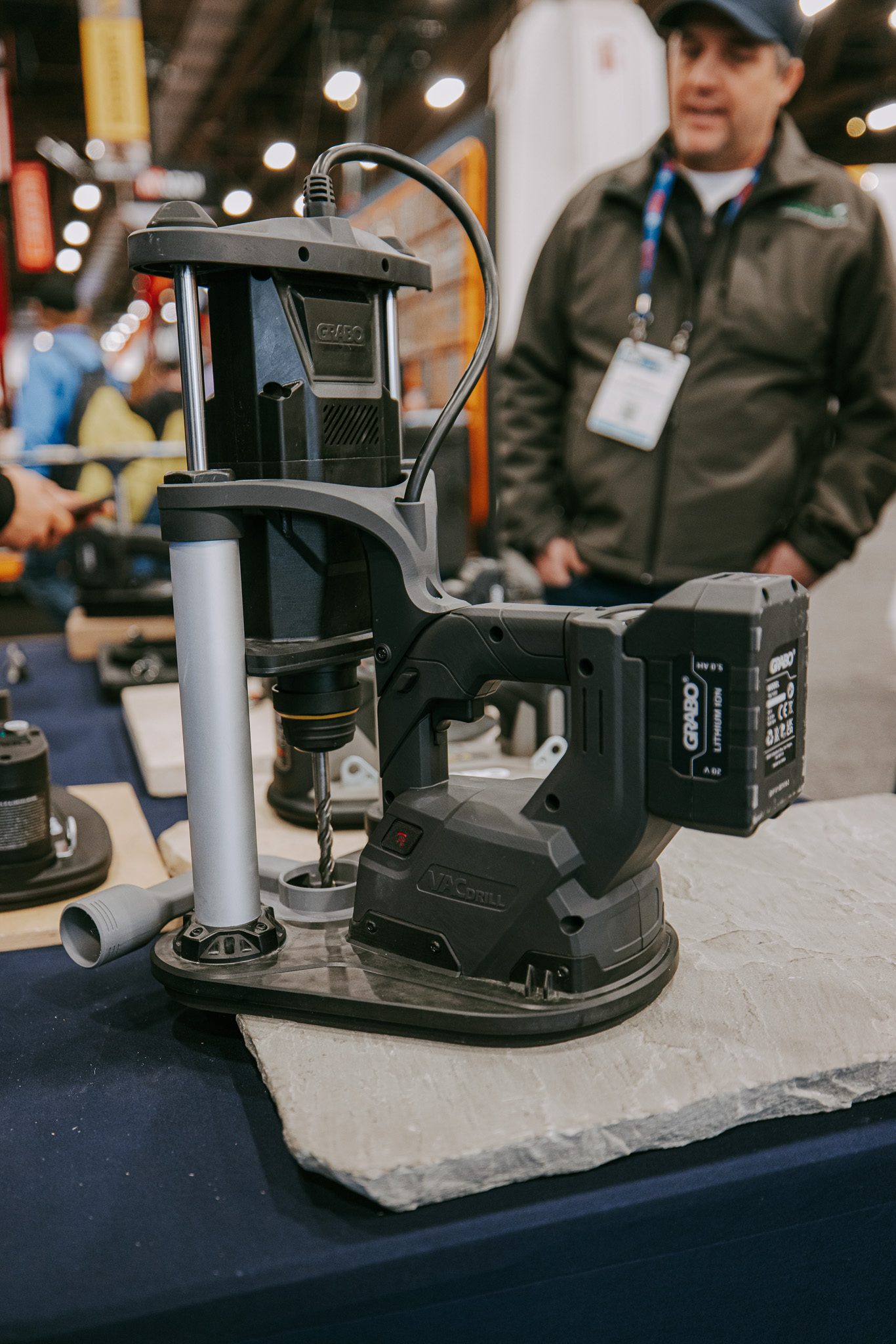
A machine that is clamped to the work rather than gripped changes the coupling between tool and operator for the drilling portion of the cycle — see vibration and fatigue.
Still assess it
Exposure assessment remains the employer's duty. Tool choice informs it; it does not discharge it.
Questions about this
Is HAVS reversible?
No. The nerve and vascular damage is permanent, which is why exposure is regulated and controlled rather than treated.
How is exposure usually measured?
Typically as a daily exposure value combining the tool's vibration magnitude with trigger time, compared against action and limit values set by the regulator.