The seal, and what breaks it
The pump gets the credit. The seal does the work.
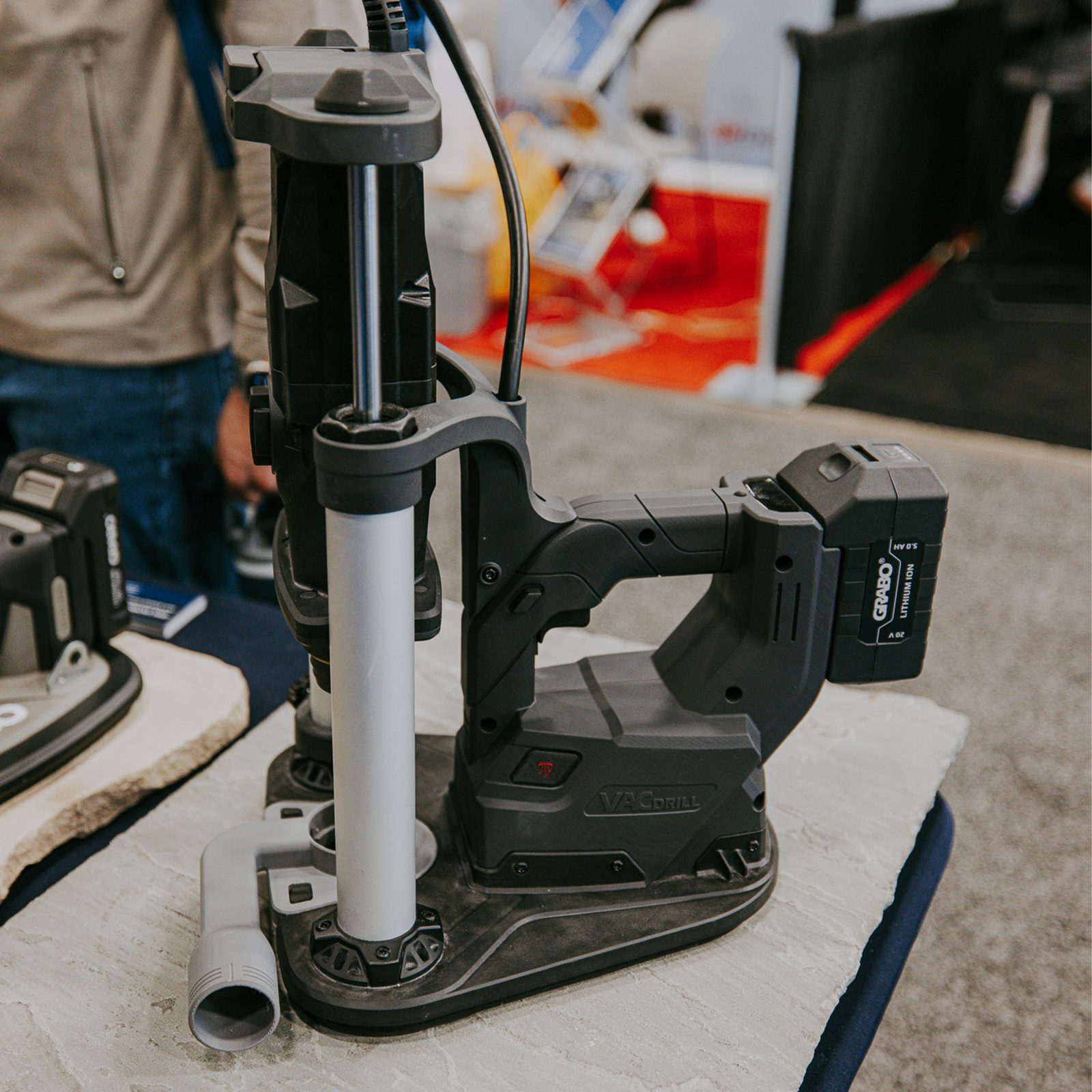
What the seal has to do
The pad must conform to the surface well enough to close a boundary, then stay closed while the hammer vibrates the whole assembly. It has to do that on surfaces that are never truly flat and rarely truly clean.
The four things that break a seal
- Dust and grit under the pad — the single most common cause. It holds the pad off the surface and opens a leak path.
- Texture and porosity — open pores are distributed leaks. See porous vs non-porous.
- Curvature and steps — a pad spanning a joint or a lip cannot close.
- Damage — a nicked or hardened pad will not conform. Treat it as a consumable.
Care
- Wipe the pad and the surface before every attachment. It takes seconds and is the highest-value habit with this tool.
- Store the tool so the pad is not compressed or resting on grit.
- Inspect for cuts and hardening; replace when it stops conforming. See maintenance.
Questions about this
How often should the sealing pad be replaced?
There is no fixed interval — it is condition-based. Replace it when it stops conforming: visible cuts, embedded grit that will not clean out, hardening, or a permanent set in the rubber.
Can I use the tool if the pad has a small nick?
A nick that crosses the sealing face creates a leak path and will cost holding force. Anything that interrupts the seal line should be treated as a replacement trigger, not a cosmetic issue.